Your Business Doesn't Live on Instagram. It Rents Space There. Here's Why That's a Problem.
Your Instagram can disappear overnight. Your reach can tank. Your TikTok can be banned. Here's what a real, owned online business looks like.
Your Business Doesn’t Live on Instagram. It Rents Space There. Here’s Why That’s a Problem.
Building on social media is the smartest thing most small businesses did in 2019.
In 2026, it might be the most dangerous thing they still haven’t stopped doing.
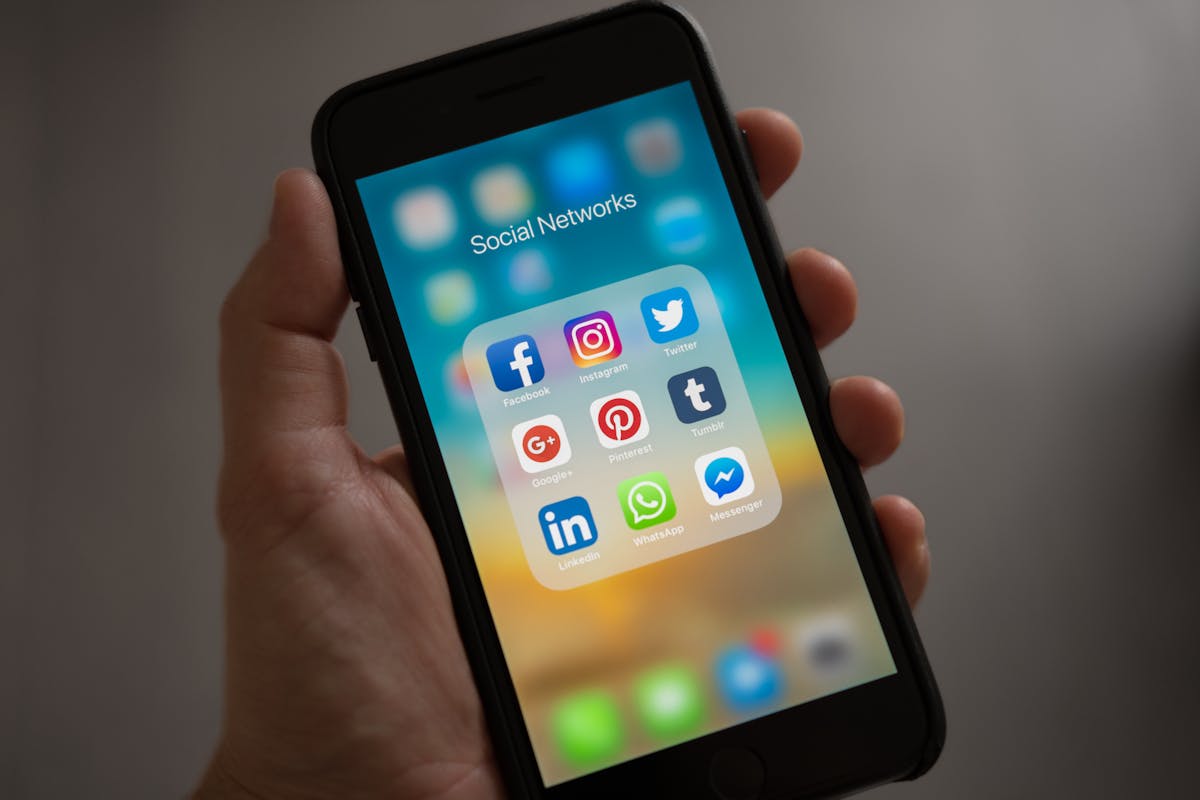
Social media gave millions of small businesses something that used to cost a fortune: an audience. No ad spend. No PR agency. Just consistent posting and the algorithm’s occasional goodwill. For a decade, that felt like ownership. It wasn’t. It was a landlord-tenant relationship — and most business owners never read the lease.
The lease says: we can change the terms at any time. We can reduce your reach. We can ban your account. We can shut down the platform. You have no legal recourse, no data export that matters, and no way to contact your audience when we’re gone.
That’s what renting looks like.
What Actually Happens When a Platform Changes Its Algorithm (Or Disappears)
These aren’t hypotheticals. Each of the following happened to real businesses.
Instagram’s organic reach collapse. In 2014, an Instagram post reached roughly 30% of your followers. By 2024, that number sits at 2–5% for most business accounts. Hootsuite’s annual benchmark data confirms what every brand manager already feels: organic reach has been systematically monetised away. The platform didn’t disappear. It just made your existing audience inaccessible without payment.
TikTok’s US near-ban in January 2025. TikTok went dark in the US for approximately 14 hours following an impending federal ban order. For creators and businesses with 100% of their audience on that platform, those 14 hours were a preview of what total loss looks like. The ban was paused. The lesson wasn’t.
Twitter/X’s API changes in 2023. When the platform moved to monetise its API, hundreds of businesses built on that ecosystem — scheduling tools, social listening companies, analytics platforms — lost their operational foundation overnight. Many shut down. None received advance warning.
Facebook’s 2018 “meaningful interactions” update. Organic reach for business pages dropped roughly 50% in a single algorithm change. Publishers who had built entire editorial operations on Facebook referral traffic watched their visitor numbers collapse within weeks.
The pattern is consistent: platforms change their terms when it serves their business model. Yours is not their concern.
Real Businesses That Built on Rented Ground
Consider the Nigerian fashion brand with 80,000 Instagram followers and no website. When Instagram experienced a global outage in 2021, they had no way to sell, no way to announce the disruption to customers, and no fallback channel for orders. Their entire customer relationship existed inside a platform they didn’t control.
Consider the freelance consultant with 12,000 LinkedIn followers and no email list. When LinkedIn’s algorithm shifted in favour of personal storytelling over professional content, their inbound leads — which had been entirely driven by LinkedIn reach — dried up within 30 days. They had nothing to fall back on.
Consider the travel content creator with 400,000 TikTok followers. When the US ban threat materialised, they had no email list, no website with SEO traction, and no secondary platform large enough to absorb the audience. In a platform-death scenario, their entire business evaporates.
The common thread isn’t social media. It’s the absence of anything else.
What Owning Your Online Presence Actually Looks Like in 2026
Owning your online presence doesn’t mean abandoning social media. It means ensuring that if every platform you currently use disappeared tomorrow, your business would still be findable, credible, and contactable.
A website on your own domain. Not a Linktree. Not a page on a platform’s subdomain. A site on a domain you own, where customers can find you, understand what you offer, and buy from or contact you without any social platform mediating the transaction. A professionally built website is not optional infrastructure in 2026 — it’s the difference between renting and owning your business’s digital presence.
SEO that works without social. A website that ranks for what your customers are already searching for delivers traffic regardless of algorithm changes, bans, or platform shutdowns. Search traffic compounds over time. Social media reach requires constant maintenance and increasingly, paid amplification.
An email list. Email is the only audience channel where you own the delivery mechanism. Social platforms decide whether your post is shown. Email providers deliver your message directly to the inbox. Mailchimp’s benchmark data puts average email open rates at 20–35% across industries — significantly higher than organic social reach on every major platform.
Social content with a destination. Every piece of content you post on Instagram, TikTok, or LinkedIn should drive toward something you own: your website, your email list, your booking page. Social media is a distribution channel. It works best when you treat it like one.
Social Media + Your Own Platform: How to Use Both Without the Risk
The goal isn’t to produce less social content. It’s to ensure that social content serves a purpose beyond feeding an algorithm.
A sustainable digital presence in 2026 looks like this:
-
Social media handles discovery and distribution. New people find you. Existing followers stay warm.
-
Your website handles credibility and conversion. It’s where you send people when they want to know if you’re real.
-
Your email list handles retention and revenue. It’s the audience you own, reachable regardless of what any platform decides next.
Every social follower who becomes an email subscriber or a website visitor is a relationship that exists outside a landlord’s terms and conditions. That’s the conversion that actually matters.
We’ve built this kind of owned presence for travel companies, real estate firms, and service businesses across Nigeria and globally — businesses that needed their digital foundation to be stable, not subject to the next algorithm update or platform policy change.
If your business lives entirely on social media right now, that’s not a content problem. It’s a foundation problem. Let’s fix it.
Social media built your audience. A website and an email list are how you keep them.
Keep reading

AI in marketing can save time and cut costs — but only if you use it on the right tasks. Here's exactly what to hand over to AI, and what you must keep for yourself.
Read more →
SEO in 2026 means ranking on two search engines: Google and AI. Here's what's changed, what still works, and the concrete steps to get cited in AI-generated answers.
Read more →
Google E-E-A-T determines who ranks in 2026. Learn the exact signals that build Experience, Expertise, Authority, and Trust in search results.
Read more →Want this implemented for your business?
Get a quick recommendation based on your goals, traffic sources and current setup.